Book Review: Film Noir Fatal Women

Film Noir Fatal Women
by Alain Silver, and James Ursini

This book is a solid survey of the imagery and actresses that brought the femme fatale to life. The impressive collection of stills that make up the majority of the book’s space are both beautiful and informative. A newcomer to noir could gain an understanding of the femme fatale character and her importance to the genre quite well. The experienced film noir fan can reminiscence about beloved movies, find some titles they have missed, and make connections between movies and actresses they may not have made before.

Unsurprisingly, authors Alan Silver and James Ursini whose “Film Noir the Encyclopedia” (1979), Film Noir Reader series, and book “The Noir Style” predated and set the template for American books on the subject do an excellent and concise job of tracing the fatal woman in culture and pre-noir films that set the stage for the rise of noir’s femme fatales trope in their preface, “Deadly Precursors” and “Motif-Exotic Costuming” sections.

The main meat of the book is broken into two parts, “Themes and Styles” and “Roll Call”. The former is smartly confined to primarily imagery to illuminate the different themes and styles of noir with sections on “Sirens-Dressed to Kill”, my favorite, “Criminal, Killers and Sociopaths”, “Motif-Light Me” to name a few.

The “Roll Call” divides actresses from noir into three categories, “The A List”, “The B List”, and “What Else You Got”. To clarify, the A and B list refers to how much the actresses were associated with noir rather than if they were “A” or “B” film actresses, for example Cleo Moore is on the “A” list while “Beverly Michaels” is on the “B” list despite both of their careers being mostly confined to”poverty row” productions”. There are brief overviews of each actresses’ contributions to noir in addition to stills from their films. Actresses covered include greats like Barbara Stanwyck, Ida Lupino, and Gloria Grahame and the lesser known like Barbara Payton and Jan Sterling.

It is rare to see a paperback with this high of a quality in terms of layout and stills. Beyond how the book looks, it is also an illuminating journey through the world of film noir, suitable for new and old fans of the genre.
Czar of Noir Attending TCMFF

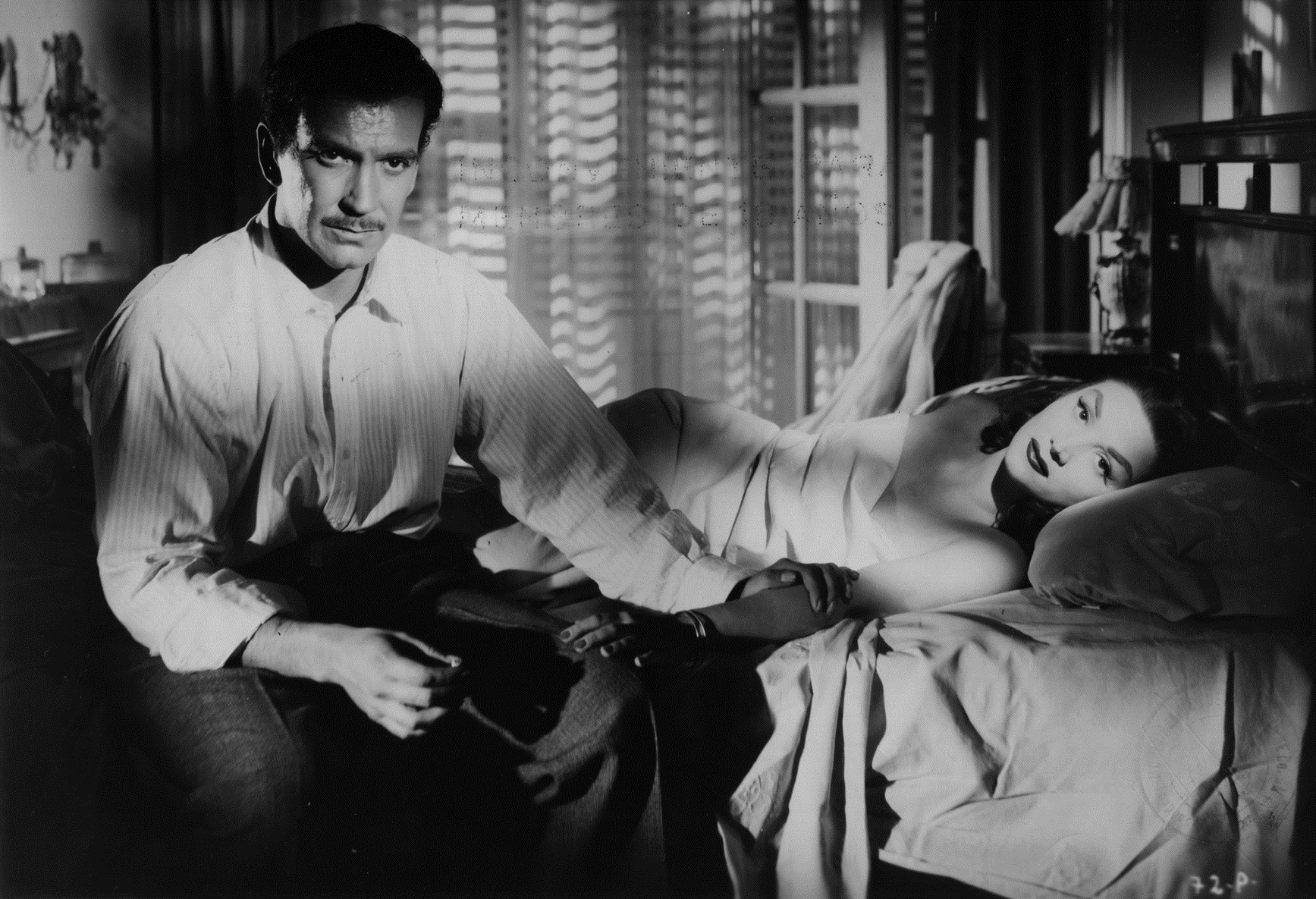
LOS TALLOS AMARGOS_2

FNF president Eddie Muller will be presenting films again at this year’s TCM Classic Film Festival, April 28 – May 1. Eddie will be introducing two FNF restorations, Los tallos amargos and Repeat Performance (1947). He will also be introducing Carl Reiner’s comic valentine to film noir, Dead Men Don’t Wear Plaid (1982). The film features a series of clips from famous film noirs, intercut with new footage of a hard-boiled detective (Steve Martin) and a possible femme fatale (Rachel Ward) to form a new and suitably convoluted noir plot. The film was the last project of both costume designer Edith Head and composer Miklós Rózsa. Eddie will also be introducing a series of critically acclaimed sports films, including John Huston’s Fat City (1972), based on Leonard Gardner’s 1969 gut wrenching novel about small hall boxing.

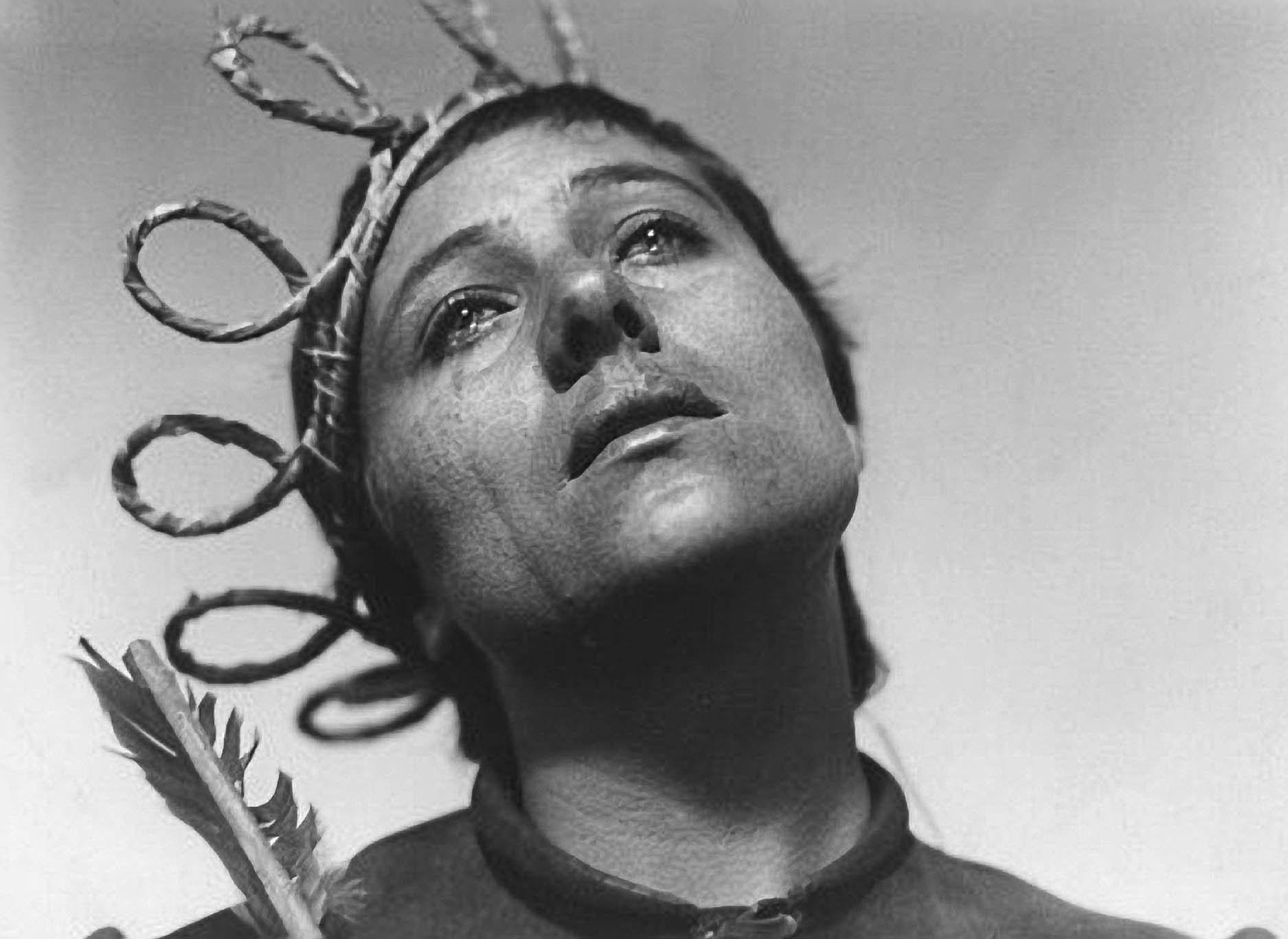
joan-of-arc-crown

This year’s overarching theme is Moving Pictures, focusing on the films that, “bring us to tears, rouse us to action, inspire us, even project us to a higher plane.” These films range from Carl Theodor Dreyer’s silent classic The Passion of Joan of Arc (1928) accompanied by a live orchestra and vocalists performing Richard Einhorn’s oratorio Voices of Light, a piece specifically written for this purpose in 1994, to John Singleton’s heartbreaking Boyz in the Hood (1991), a semi-autobiographical depiction of African-American youths struggling with gang violence in South Central L.A., with a soundtrack of rap songs by Run-D.M.C., 2 Live Crew and Ice Cube reflective of the characters’ lives.

Communal Viewing: TCM Classic Film Festival

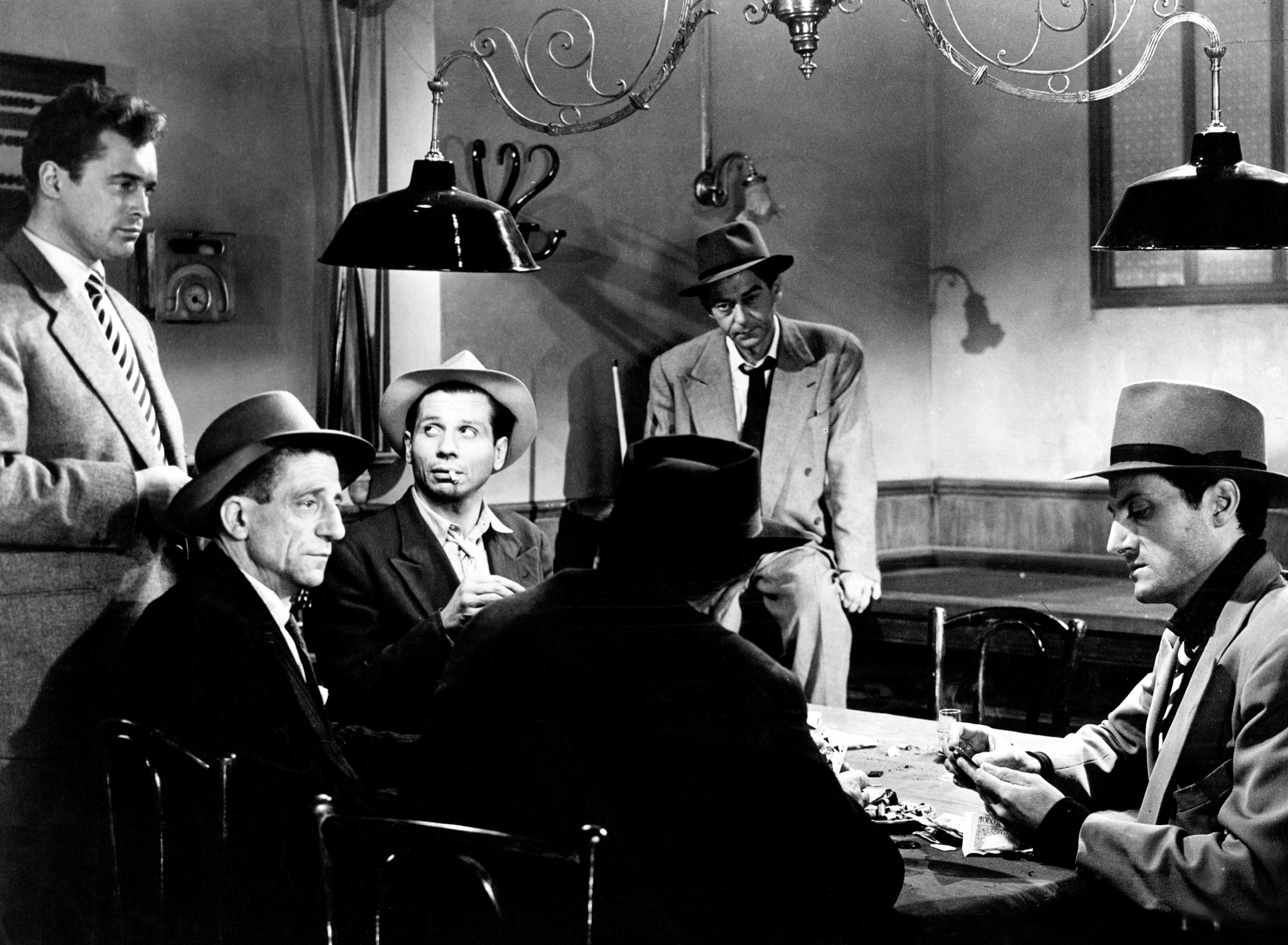
Jules Dassin’s Rififi (1955)

TCM CLASSIC FILM FESTIVAL 2015
March 26-29
Hollywood, CA


The TCM Classic Film Festival returns to Hollywood March 26-29, providing a chance for fans to watch cinematic classics the way they were meant to be seen—on the big screen, with an audience. This year’s theme History According to Hollywood explores how the dream factory’s portrayal of history shapes our view of it. Besides a diverse array of films depicting historical events and characters like 1776 (1972) and Patton (1970), four restorations will make their world premieres at the festival, including Jules Dassin’s beautifully wrought and highly influential heist film Rififi (1955), presented by Film Noir Foundation president Eddie Muller, who is hosting at least 10 films.

nightmare-alley-tyrone-power-joan-blondell-1947_arm

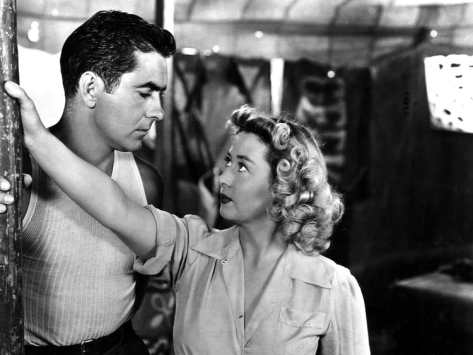
Tyrone Power and Joan Blondell share a steamy moment in Nightmare Alley (1947).

Noir lovers have plenty to enjoy, including the Film Noir Foundation-funded 35mm restoration of Too Late for Tears (1949), hosted by Muller. As part of the festival’s “Discoveries” program, TCM will screen Nightmare Alley (1947), featuring Tyrone Power’s uncharacteristically dark performance as a ruthless carny. Legendary character actor Norman Lloyd will join Muller for a discussion following Anthony Mann’s Reign of Terror (1949). Set in the bloody days of the French Revolution, the film is a rare example of a historically-based noir. TCM also tips its hat to the master of suspense, Alfred Hitchcock, with screenings of Rebecca (1940) and Psycho (1960). Muller will also be hosting Nightmare and Rebecca, Shaun of the Dead director Edgar Wright will be in attendance at Psycho. For more on the festival, visit the official website.

International Noir Returns to Roxie

Midcentury Productions (Don Malcolm) and I Wake Up Dreaming (Elliot Lavine) have combined forces to expose audiences to the international noir movement that flourished after WWII and continued well past Hollywood’s noir era. A RARE NOIR IS GOOD TO FIND will present 15 noirs March 19-23 at San Francisco’s Roxie Theatre. France, Hong Kong, Finland, Japan, Denmark, Mexico, Greece, Brazil, Poland, and Korea are all represented in the festival. As well as spanning continents, the films in the festival span decades with release dates ranging between 1949 and1974. Jules Dassin’s 1974 Greek produced noir The Rehearsal (I dokimi) reflects the increasing political bent of the films of the era with its examination/recreation of a massacre of Athenian college students by the Greek junta performed on a darkly lit New York sound-stage. Film scholar and FNF Board of Directors member Foster Hirsch will interview one of the film’s ensemble cast members, Stathis Giallelis, following the screening on March 22. For a complete line up of films visit the official website.